Description
Elderberry Plants for Your Edible Landscape
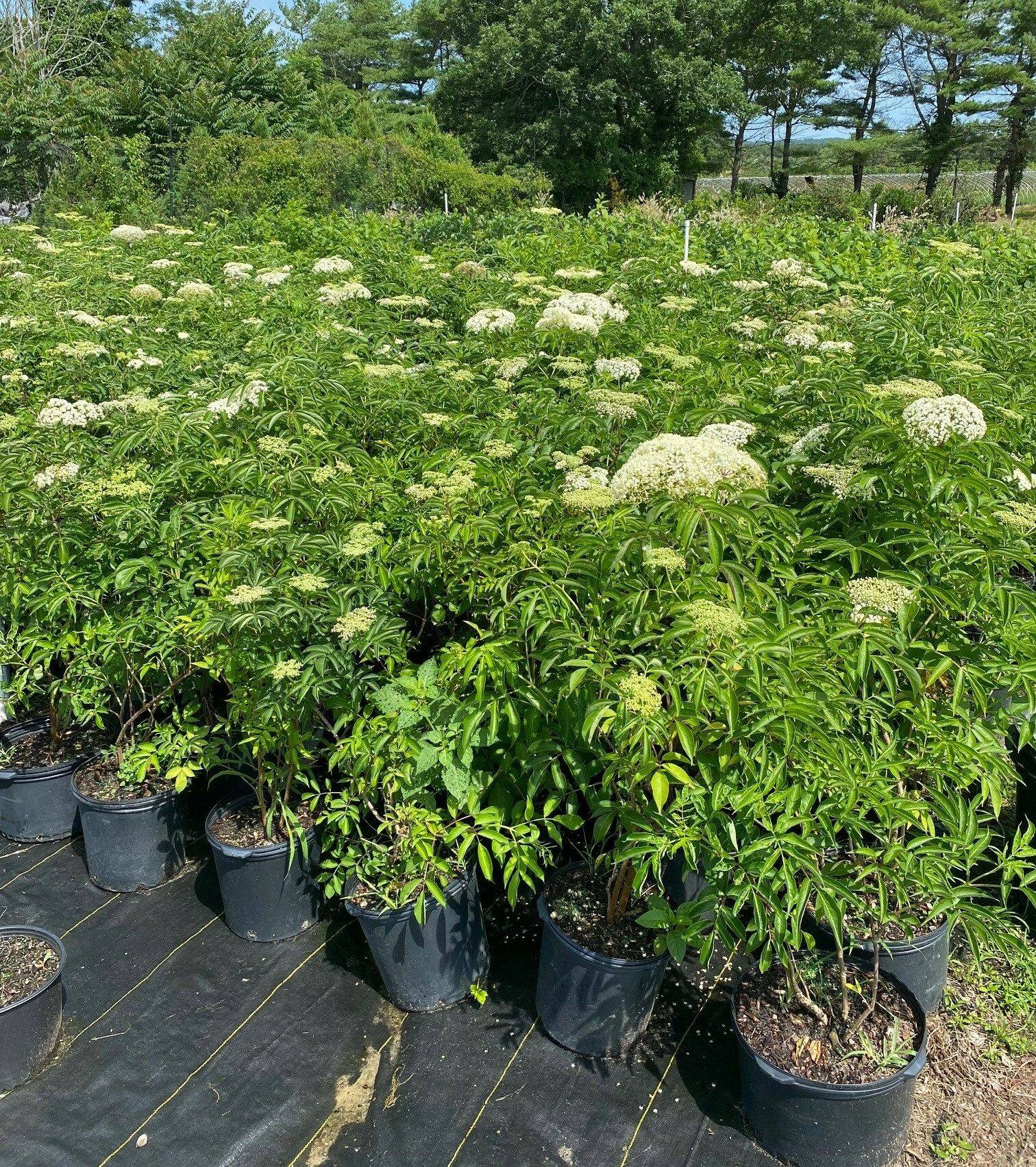
Add seasonal interest and culinary possibilities to your garden with elderberry. These fruit-bearing shrubs offer showy flower clusters followed by berries that can be prepared into syrups, sauces, jellies, and other homemade favorites.
This listing is for a live elderberry plant—not fresh berries, dried elderberries, or a finished elderberry product.
Elderberry can be a rewarding addition to a home food forest or edible landscape. Choose plants based on their confirmed identity and your site conditions rather than assuming all elderberries have the same size, hardiness, or fruit characteristics.
What Makes Elderberry Interesting?
Elderberry offers more than a single harvest. Its flower clusters add seasonal interest, while its fruit provides an ingredient with a distinctive culinary character.
Plants can also contribute structure and wildlife value to a diverse landscape. Birds are attracted to the berries, so protecting fruit intended for your kitchen may require planning.
Plant growth, mature size, flowering, and fruit production vary with the variety, site, weather, and care. A particular yield or harvest date is not guaranteed.
Discover the Flavor of Elderberries
Elderberries have a rich, earthy flavor with a naturally tart character. They are generally used as a prepared ingredient rather than approached like a sweet snacking berry.
Their bold flavor pairs well with apples, pears, citrus, and warming spices. Sweetness and preparation methods influence the finished result, giving home cooks plenty of directions to explore.
Culinary Possibilities for Your Future Harvest
- Cooked syrups: Prepare a berry syrup for pancakes, desserts, or beverages.
- Sauces: Explore sweet or savory fruit sauces.
- Jellies and preserves: Follow tested recipes and appropriate processing instructions.
- Desserts: Use properly prepared fruit in fillings, toppings, and other recipes.
Browse our fruit and nut recipe collection for inspiration from the crops featured at our farm.
What About Elderflowers?
Elderflowers are also used in culinary preparations such as infused syrups and cordials. Flower harvesting requires correct plant identification and appropriate preparation.
Remember that harvesting flower clusters removes the berries those clusters would otherwise produce. If both flowers and fruit interest you, plan how you will divide the harvest.
Planning for Fruit Production
For more reliable fruit set, plan for two compatible, genetically distinct elderberry varieties with overlapping bloom times. Two plants of the same cloned variety do not provide the same genetic diversity.
Confirm the variety of each plant before selecting a pollination partner. If the listing does not identify the variety, ask before purchasing rather than assuming compatibility.
Preparing Your Future Harvest
Cooking is recommended before consuming elderberries. Remove stems, leaves, and unripe berries before preparing. Raw elderberries may cause digestive upset.
Freezing does not replace cooking. For shelf-stable preserves, use tested preparation and processing guidance appropriate to the recipe.
Explore Our Wisconsin Food Forest
Nuts About Dee’s Berries is developing a diverse perennial food forest near Brodhead, Wisconsin, with fruits, nuts, and opportunities to explore unfamiliar ingredients.
Visit our fruits and nuts guide to discover the crops featured at the farm. Sign up for U-Pick Updates for farm news and future harvest announcements.
For questions about the plant being offered, contact us before purchasing.