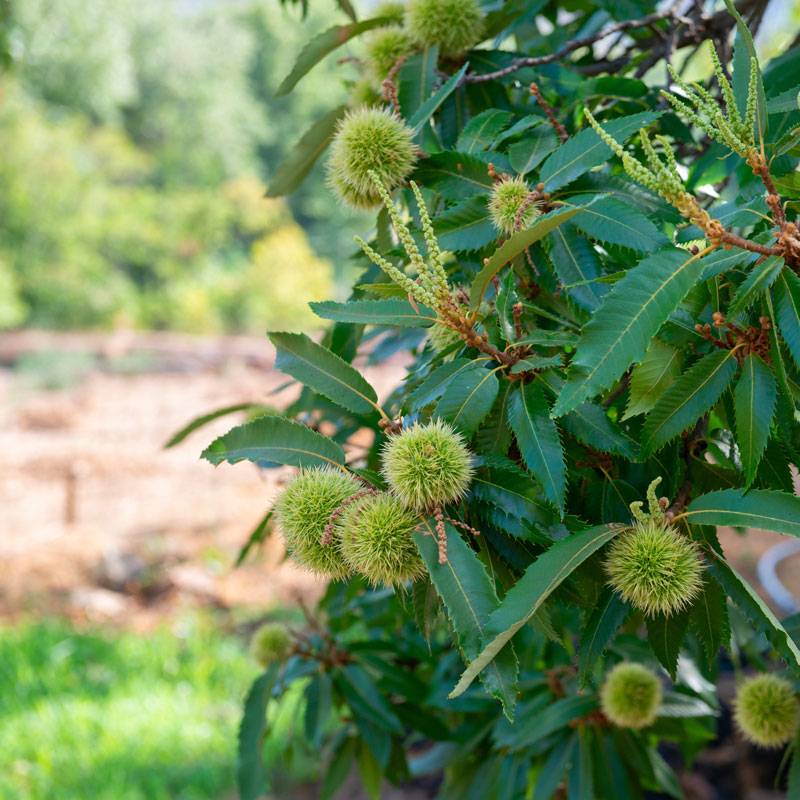
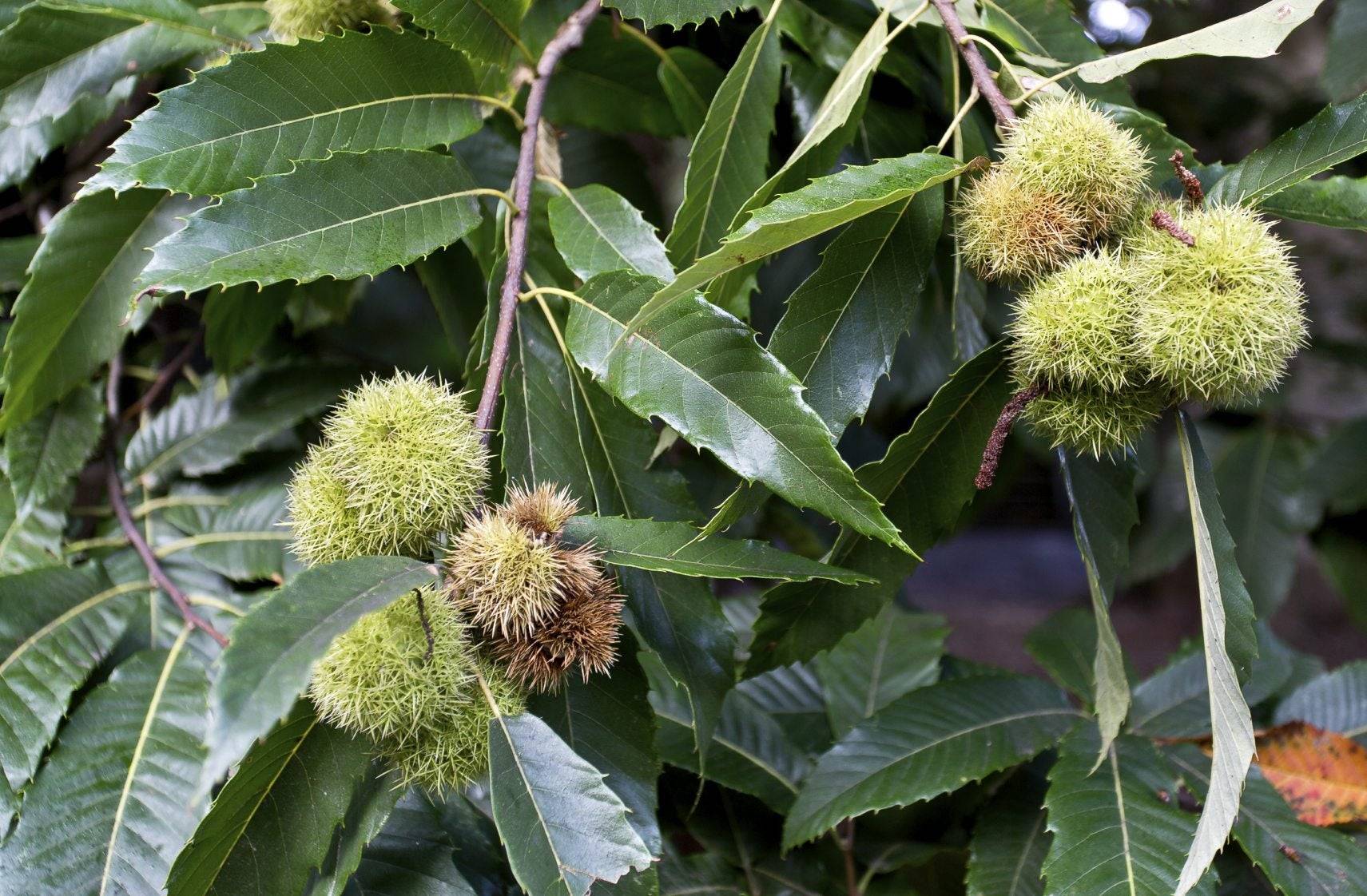
Description
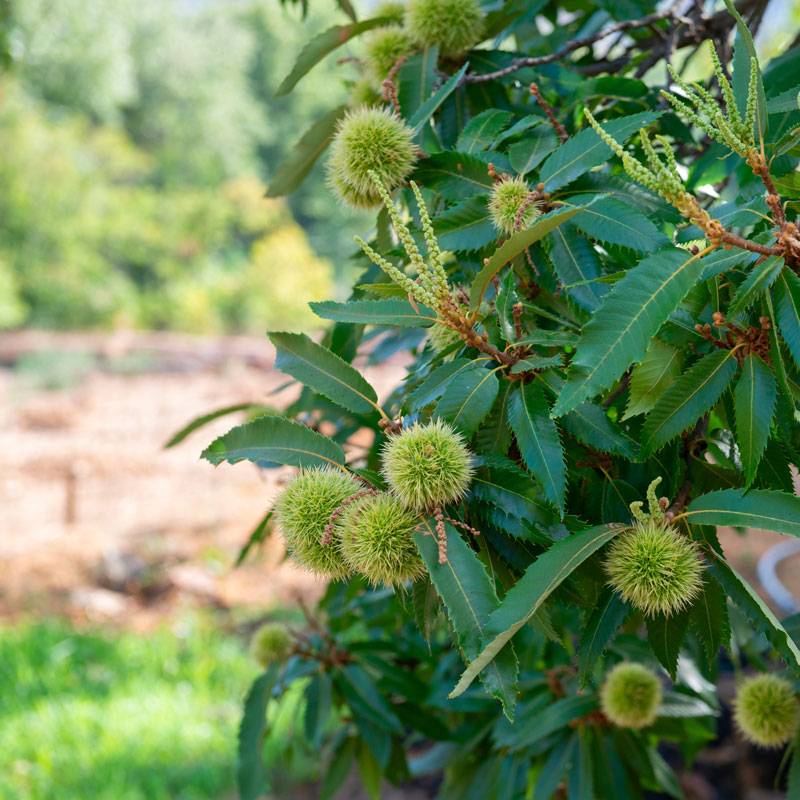
This listing is for chestnut seedling trees, not harvested nuts. Seed-grown trees vary in their growth and future nut characteristics; a particular flavor, nut size, yield, or harvest date is not guaranteed.
Chestnuts: A Different Kind of Nut
Chestnuts have a mildly sweet flavor and a texture unlike crunchy nuts such as hazelnuts or walnuts. When cooked, their starchy flesh becomes tender and somewhat crumbly—closer to a baked potato than a typical snack nut.
Their gentle flavor pairs well with apples, pears, mushrooms, squash, chocolate, and warming spices, making them useful in both sweet and savory cooking.
Ways to Enjoy Chestnuts
- Roasted: Enjoy warm, peeled chestnuts on their own or with your favorite seasonings.
- Stuffing and savory dishes: Add cooked, chopped chestnuts to stuffing, rice dishes, roasted vegetables, or mushroom recipes.
- Soups and purées: Blend cooked chestnuts into creamy soups, sauces, or a smooth purée.
- Baking and desserts: Use prepared chestnuts in cakes, breads, puddings, and chocolate desserts.
- Chestnut flour: Dried, milled chestnuts can be used in recipes developed for chestnut flour. It behaves differently from wheat flour and is not a direct substitute in every recipe.
Preparing Chestnuts
Chestnuts have a tough outer shell and a thin inner skin that are removed before eating. For roasting, score the shell first to allow steam to escape, then follow a reliable recipe. Peel while warm enough to handle safely.
Fresh chestnuts contain considerably more moisture than most nuts. Keep them refrigerated and inspect them before preparation, discarding any with mold, spoilage, or an unpleasant odor.
Beyond the Kitchen
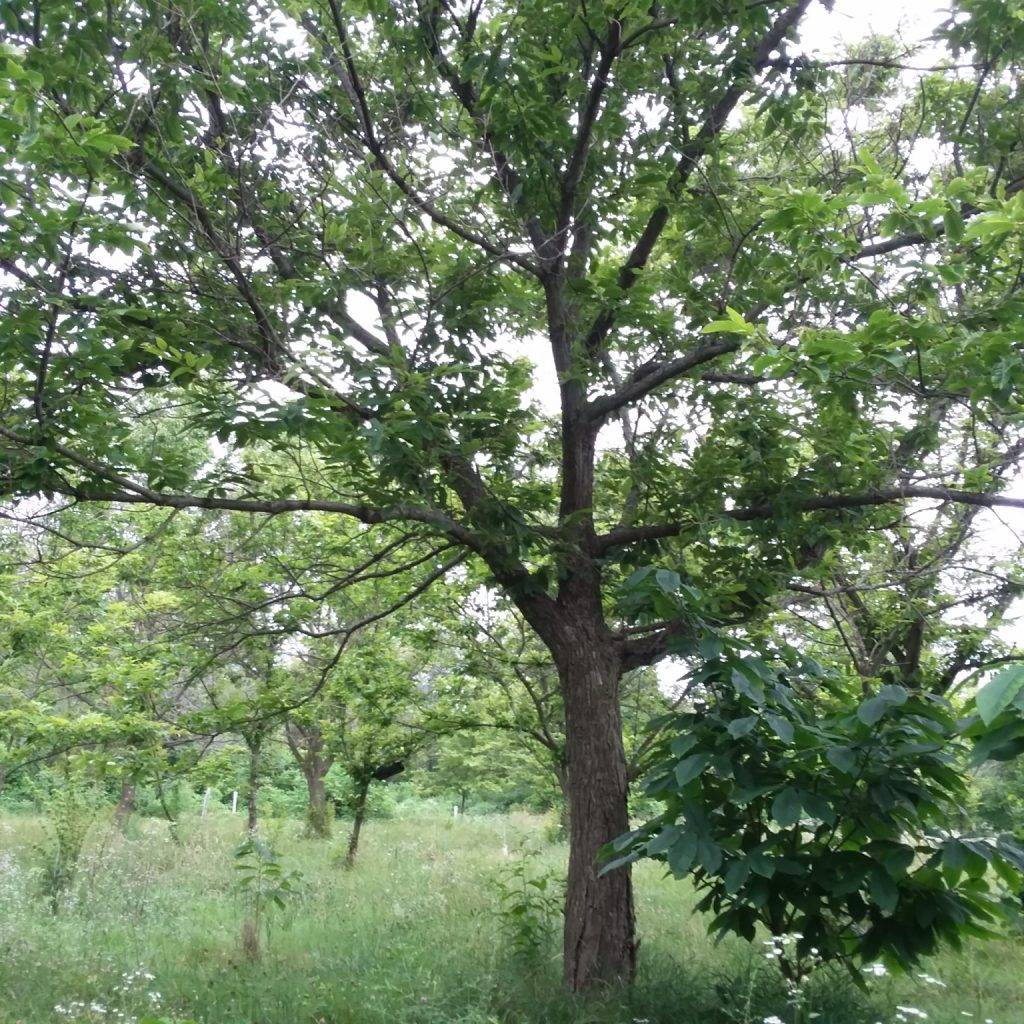
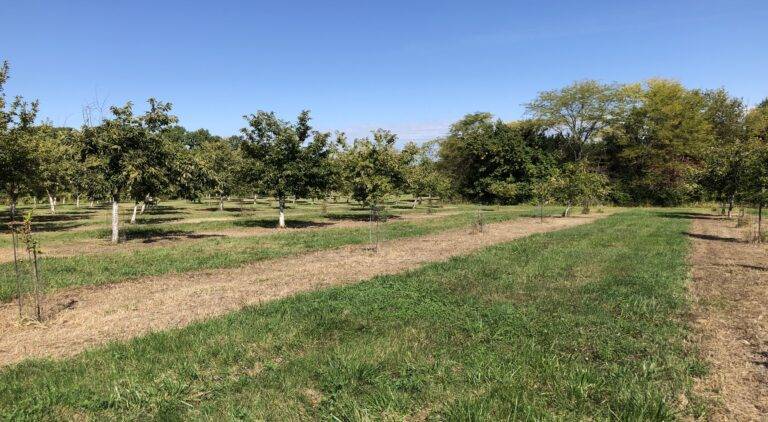
Chestnut trees can contribute shade, seasonal interest, and food for wildlife in a spacious landscape or food forest. Deer, squirrels, and other animals are attracted to the nuts, so protecting a household harvest may require planning.