Description
Discover the Flavor of Hazelnuts
Hazelnuts have a rich, mildly sweet flavor and a firm, satisfying crunch. Their buttery character pairs beautifully with chocolate, coffee, apples, pears, and warm spices. Roasting deepens their aroma and brings out a more pronounced toasted flavor.
At Nuts About Dee’s Berries near Brodhead, Wisconsin, hazelnuts are part of our diverse food forest. Whether you’re exploring an unfamiliar ingredient or looking beyond the usual walnuts and almonds, hazelnuts offer plenty of possibilities.
New to Hazelnuts? Start Here
If you’ve enjoyed chocolate-hazelnut spread, you’ve already encountered one of their best-known flavor pairings. The nuts themselves offer a more straightforward nutty taste without the added sweetness of a spread.
For an easy introduction, try chopped, roasted hazelnuts over oatmeal, yogurt, or ice cream. They also add crunch to baked goods and savory dishes.
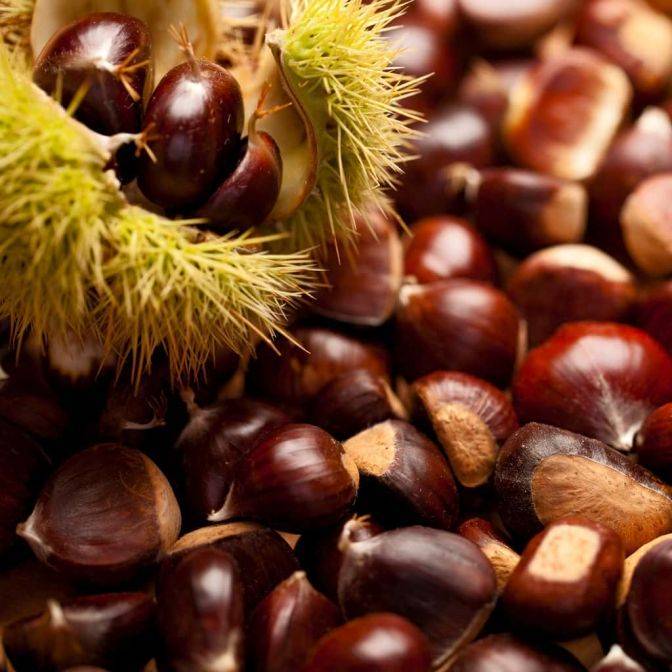
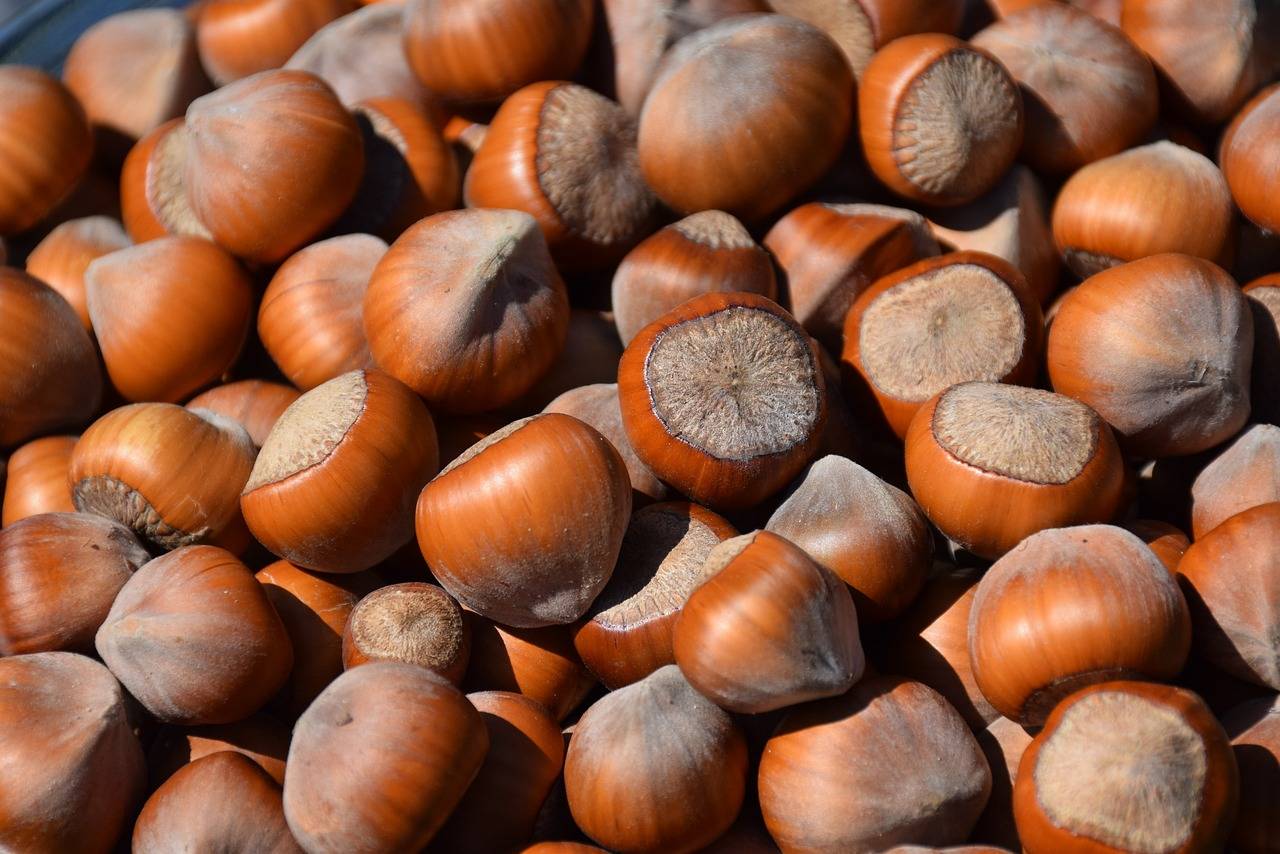
Hazelnuts are also called filberts. They are different from chestnuts: hazelnuts have a crunchy, oil-rich kernel, while cooked chestnuts have a softer, starchier texture.
Ways to Use Hazelnuts
- Bake with them: Add chopped kernels to cookies, brownies, muffins, cakes, or fruit crisps.
- Pair with chocolate: Use them in homemade chocolate bark, truffles, or dessert toppings.
- Make a spread: Blend prepared kernels into hazelnut butter or a chocolate-hazelnut spread.
- Add savory crunch: Sprinkle chopped nuts over roasted vegetables, salads, pasta, or grain dishes.
- Build a breakfast topping: Combine with oats, seeds, and dried fruit for granola.
- Pair with fruit: Add a toasted hazelnut topping to baked pears, apple desserts, or berry dishes.
Shells, Skins, and Preparation
Hazelnuts have a hard outer shell surrounding the edible kernel. If purchasing in-shell nuts, use a nutcracker and remove all shell fragments before eating or cooking.
The kernel may also have a thin brown skin. This is different from the hard shell and is edible, although it can contribute a slightly bitter or astringent taste. Removing some of the skin is optional and depends on your recipe and preference.
Roasting can help loosen the skin. After roasting and cooling enough to handle safely, rub the kernels in a clean kitchen towel to remove loose skins. Some skin may remain.
Inspect nuts during preparation. Discard any that show mold, spoilage, or an unpleasant rancid odor.
Roasting and Cooking
Hazelnuts can be used in recipes calling for raw or roasted kernels. Roasting develops a stronger toasted flavor, while unroasted kernels have a milder character.
Follow your recipe’s roasting instructions, spread kernels in a single layer, and check frequently to avoid scorching. Let them cool before chopping or storing.
When substituting hazelnuts for another nut, consider the recipe’s texture and flavor. Finely ground hazelnuts are not a direct one-for-one replacement for wheat flour in every recipe.
Storing Hazelnuts
Store nuts in a cool, dry place away from sunlight, heat, and strong odors. Protect in-shell nuts from moisture.
Shelled kernels keep their quality best in an airtight container in the refrigerator or freezer, especially if you won’t use them promptly. Chopped and ground nuts are more exposed to air, so prepare those close to when you need them.
Let a sealed refrigerated or frozen container warm toward room temperature before opening to help reduce condensation on the nuts.
Allergen Information
Contains hazelnuts (tree nuts). Do not assume this product is suitable for someone with a tree-nut allergy. No claim is made that the product is processed in an allergen-free facility.
Learn More About Our Hazelnuts
Visit our hazelnut information page to explore this crop and its place in our Wisconsin food forest. Browse our recipes for ideas, or sign up for U-Pick Updates for farm news and harvest announcements.
For a simple way to explore their toasted flavor, try Slow-Roasted Hazelnuts with Seasonal Spice.