
— Grown in Wisconsin
You won’t find quince like this later in the year — or on a store shelf right here at our Wisconsin U-Pick farm.
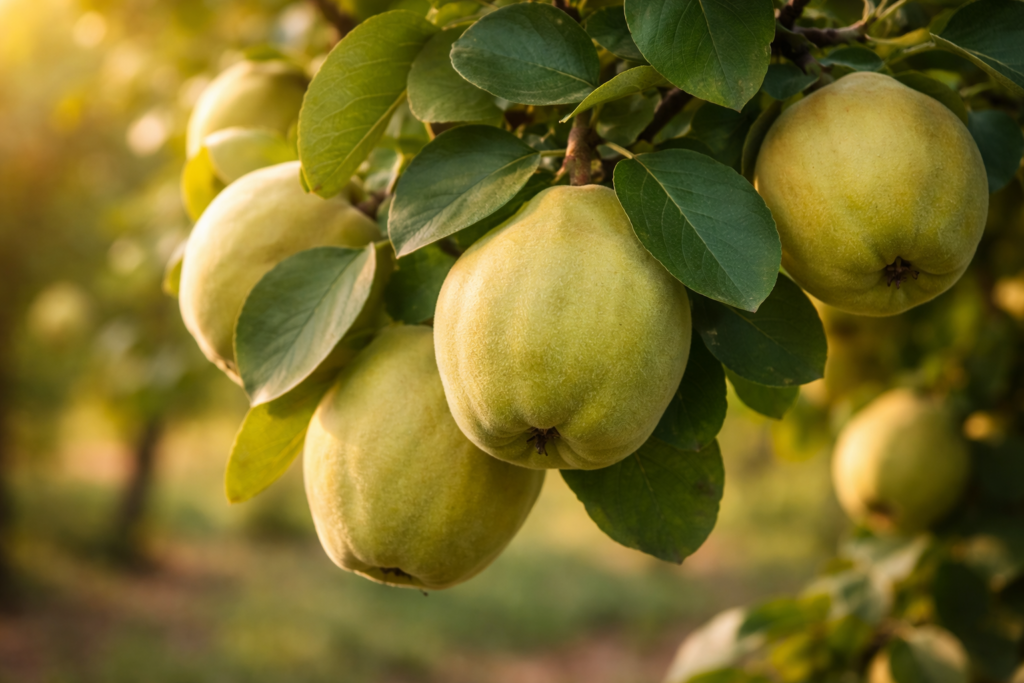
Why You Rarely See Quince in Stores
Quince is one of those fruits most people recognize by name, yet almost never see fresh. That’s because quince is typically picked firm and handled more like a cooking fruit than a snack fruit. It bruises easily, ripens with a powerful fragrance, and doesn’t fit the “grab-and-go” grocery store model — so it’s often skipped by large-scale supply chains.
That’s exactly why U-pick matters. When quince is harvested close to peak maturity, you get the aroma, the quality, and the full experience — not a fruit that’s been shipped early and stored for weeks. For visitors in Wisconsin, quince is one of those short-season picks that feels special simply because it’s so rarely available fresh.
Want a heads-up when quince harvest opens? Join our harvest updates list.
What Quince Smells & Tastes Like
Quince Is Noticed First by Scent
Before quince is ever tasted, it’s noticed by scent. Fresh quince releases a powerful, floral aroma — often described as apple, citrus peel, and honey — that deepens as the fruit matures. It’s the kind of fragrance that fills a room, making harvest day feel unmistakable.
How Quince Changes When Cooked
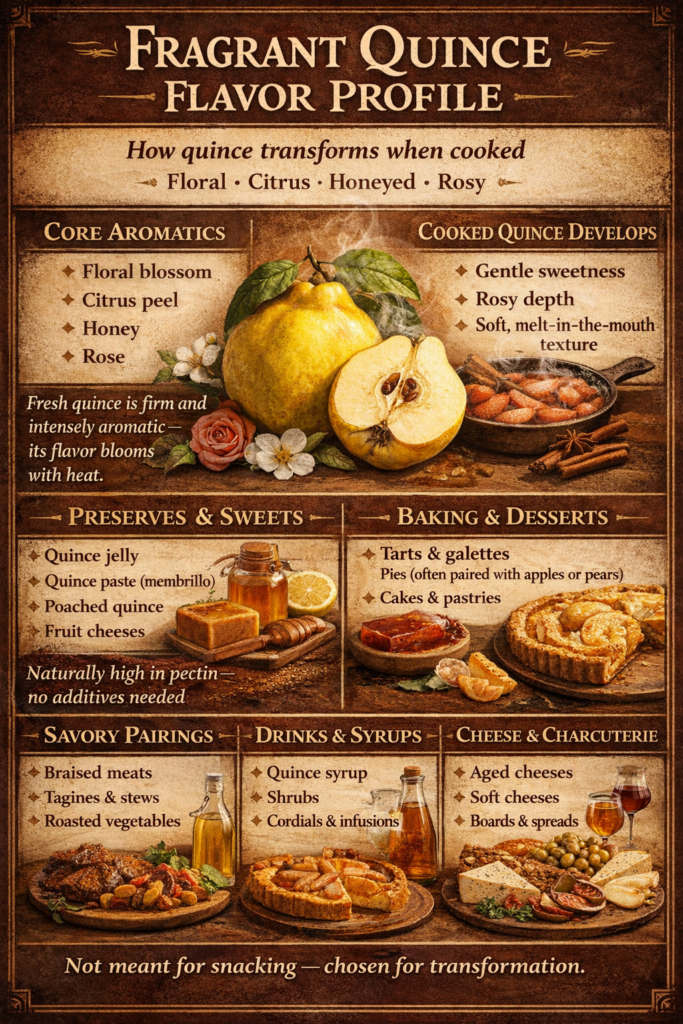
Quince isn’t meant to be eaten raw. When cooked, its firm flesh softens and transforms, developing a gentle sweetness and a rich, almost rosy flavor. That transformation is what has made quince a favorite for preserves, baking, and slow-cooked dishes across many food traditions.
Why Quince Is Chosen Intentionally
If you’ve experienced pawpaw season, the appeal is similar — not because the fruits taste alike, but because both reward those who plan ahead and pick during a short window when the flavor is at its best. Quince is chosen intentionally, not impulsively, which is exactly why it tends to attract curious and adventurous pickers.
The way quince changes with heat is one of the reasons it’s rarely sold fresh — and one of the reasons people seek it out when they can.
When Quince Is Ready to Pick
🌿 Timing
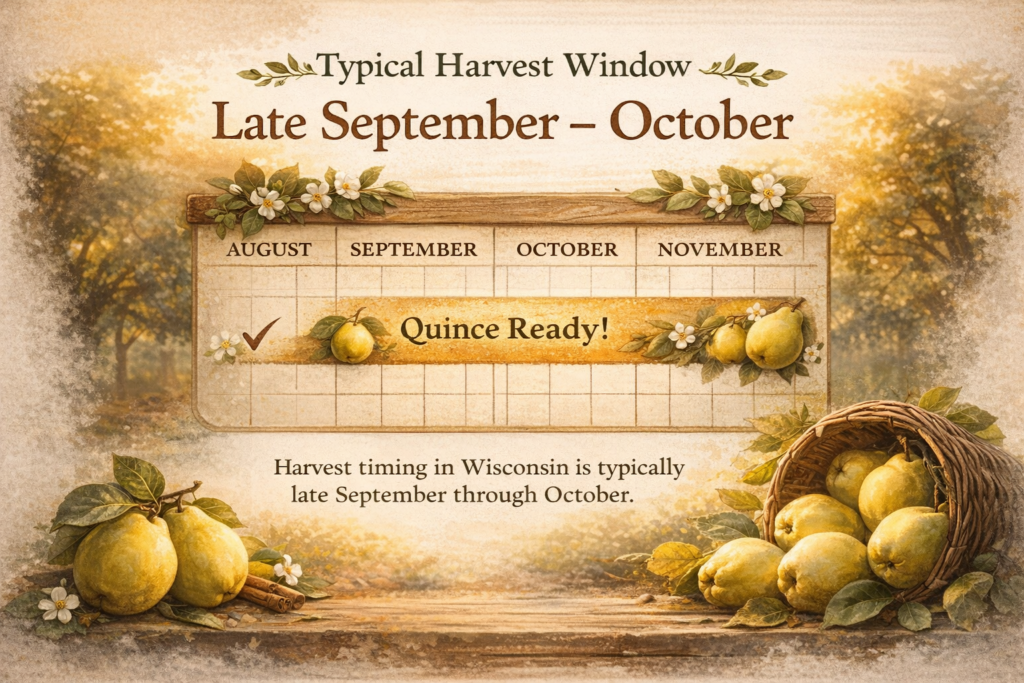
Quince has a short, intentional harvest window. In southern Wisconsin, quince is typically ready from late September through October, depending on weather and seasonal conditions. Unlike fruits that ripen gradually over months, quince announces its readiness clearly — through color, fragrance, and how easily it releases from the branch.
🌿 What “Ready” Looks Like
Ripe quince turns fully yellow, gives off a strong floral aroma, and feels firm but no longer stubborn on the tree. When gently lifted and twisted, the fruit should detach cleanly. That combination of scent and ease is the signal growers and pickers alike look for.
🌿 Where Varieties Fit
At the farm, we grow several quince varieties — including Aromatnaya, Crimea, Mellow Quince, Kuganskaya, and Pineapple — which together shape the harvest window and flavor experience. While all quince share the same firm texture and fragrant character, subtle differences in aroma and timing mean the season feels layered rather than rushed.
🌿 Planning Ahead
Because quince is harvested over a relatively brief window, planning ahead makes a difference. Like pawpaw, quince tends to reward visitors who check timing, watch for updates, and visit when conditions are just right.
Availability depends on weather and natural variation between trees. Sign up for harvest updates or follow along on Facebook for seasonal announcements.
Quince Fits into a Short, Intentional Fall Harvest
Quince doesn’t arrive alone. Its harvest window overlaps with a small group of fall crops that reward visitors who plan ahead and pay attention to timing.
At the farm, quince typically comes in as the season transitions — overlapping with pawpaws winding down, persimmons beginning to ripen, and early chestnuts starting to drop. Together, these crops define a short stretch of the year when harvest decisions matter more than speed, and flavor comes from patience rather than convenience.
Because quince is chosen for how it transforms after picking, many visitors plan their trip around what else is coming into season — selecting fruit that can be enjoyed fresh now, alongside fruit meant for cooking, preserving, or using later.
If you enjoy learning how seasonal fruits work together — or want ideas for using quince once you bring it home — we share harvest notes, recipes, and timing updates through our blog and seasonal announcements. Following along also helps you catch these brief harvest windows while they’re open.
In Southern Wisconsin, Quince typically ripen from September through October, with exact harvest timing influenced by spring weather and growing conditions. Because this window can shift slightly each year, we share real-time harvest updates on our Facebook page as the season approaches.
What to Expect When You Pick Quince
Quince picking is simple, intentional, and a little different from picking snack fruit.
On the Tree
Quince grows firmly attached to the tree and is typically harvested by hand once fully ripe. When ready, the fruit lifts and twists cleanly from the branch, without needing tools or aggressive pulling. The fruit is dense and aromatic, and most visitors notice the fragrance before they even start picking.
What Different Quince Are Best Used For
At the farm, we grow several quince varieties, each lending itself especially well to certain uses once cooked or preserved:
Aromatnaya — Highly fragrant; excellent for jelly, quince paste (membrillo), syrups, and aromatic preserves
- Pineapple — Bright aroma and flavor; often chosen for jellies, cordials, and sweet preserves
- Mellow Quince — Softer texture when cooked; well suited for baking, poaching, and desserts
- Crimea — Traditional cooking quince; dependable for jams, slow-cooked dishes, and savory recipes
- Kuganskaya — Firm and classic; favored for preserves, long-cooked preparations, and mixed fruit projects
All quince benefits from cooking, but having multiple varieties available allows visitors to choose fruit that best matches how they plan to use it at home.
Who Quince Is Best For
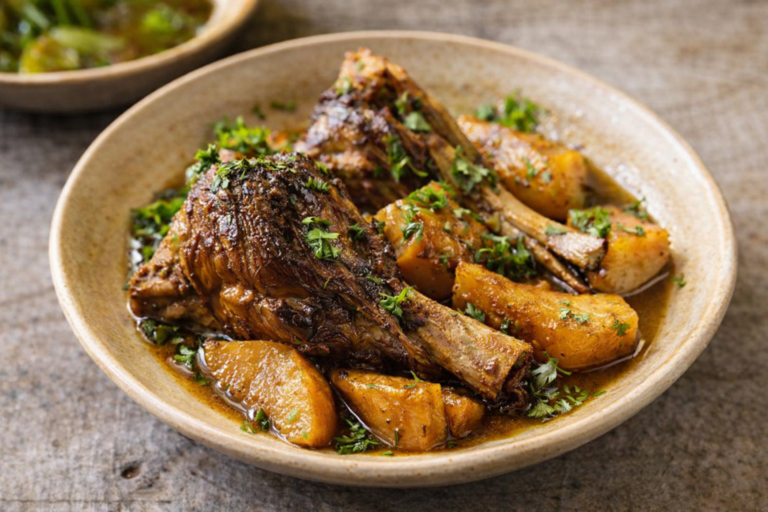
Quince is best suited for visitors who enjoy cooking, preserving, or experimenting in the kitchen. Through slow cooking and careful preparation, quince releases its fragrance, develops a soft, rosy sweetness, and takes on a depth that fresh fruit alone rarely offers. It’s especially well suited for jellies, quince paste, poached desserts, and savory dishes where gentle heat brings out its character.
If you enjoy old-world cooking traditions and working with fruit beyond the day it’s picked, quince is often a favorite discovery.
Quince rewards intention — both in the orchard and in the kitchen.
Plan Your Visit & Pick Quince at the Farm
Quince is harvested during a short fall window, and timing matters. Checking in as the season approaches helps ensure you arrive when fruit is ready and the harvest experience is at its best.
We share updates throughout the season — including when quince is coming into peak condition and how the harvest is shaping up — so visitors can plan with confidence rather than guesswork. Following along also helps you catch brief overlaps with other fall crops, like pawpaw, persimmon, and early chestnuts.
If quince is on your list this year, a little planning goes a long way. Whether you’re visiting specifically for quince or pairing it with other late-season harvests, we invite you to slow down, pick intentionally, and enjoy one of fall’s most rewarding fruits.
If you’re new to quince (or want to make the most of your harvest), we recommend:
How to handle quince after picking (storage tips, ripening, and why you should store quince away from other fruit because the aroma transfers) → Preservation / Freezing or Harvest Calendar
Freezing & preserving quince for later use (best results are usually from cooking/poaching first, then freezing for easy future baking, jam, paste, or savory use) → Preservation / Freezing
Recipe ideas & inspiration (jelly, quince paste/membrillo, poached quince, baking, and sweet-savory pairings) → Recipes Hub
Plan your visit, check our Facebook page, or be included in our newsletterto follow along for seasonal updates as the season approaches.
Quince Common Questions
Quince is technically edible raw, but it’s very firm and astringent. Most people choose quince for cooking, where heat softens the flesh and brings out its fragrance, sweetness, and depth.
Fresh quince keeps well for several weeks when stored in a cool, dry place. Because of its strong aroma, it’s best stored separately from other fruits. Many people also cook or preserve quince shortly after harvest for later use.
A small amount goes a long way. Because quince is dense and primarily used for cooking or preserving, most visitors pick fewer fruits than they would with snack fruit. A handful of quince is often enough for jelly, paste, baking, or savory dishes.
No special tools are needed. Quince is picked by hand once ripe, lifting and twisting gently from the branch. When ready, the fruit releases cleanly.
We provide harvest containers, but feel free to bring your own reusable bags or baskets. Just make sure they’re clean and pawpaw-friendly!
Our Brodhead location includes walking paths with relatively flat ground. Let us know in advance if you need accommodations — we’re happy to help!
Come Pick Quince at the Farm
Discover Our Wide Variety of Nuts and Berries
At At Nuts about Dee’s Berries, we grow elderberries as part of our diverse agroforestry farm in Southern Wisconsin. Known for their immune-supporting benefits and bold flavor, elderberries are used in syrups, jellies, and wines. This image showcases freshly picked elderberries with homemade syrup — a taste of the food forest that blends health, sustainability, and culinary tradition., we pride ourselves on offering a diverse selection of delicious and nutritious crops. In addition to our featured crop, we also grow a variety of other fruits and nuts that are perfect for U-pick adventures. Explore our other offerings and discover your new favorite treat. We are sure that you will find something that you like, and that fits your needs.