
Picked at Peak Ripeness
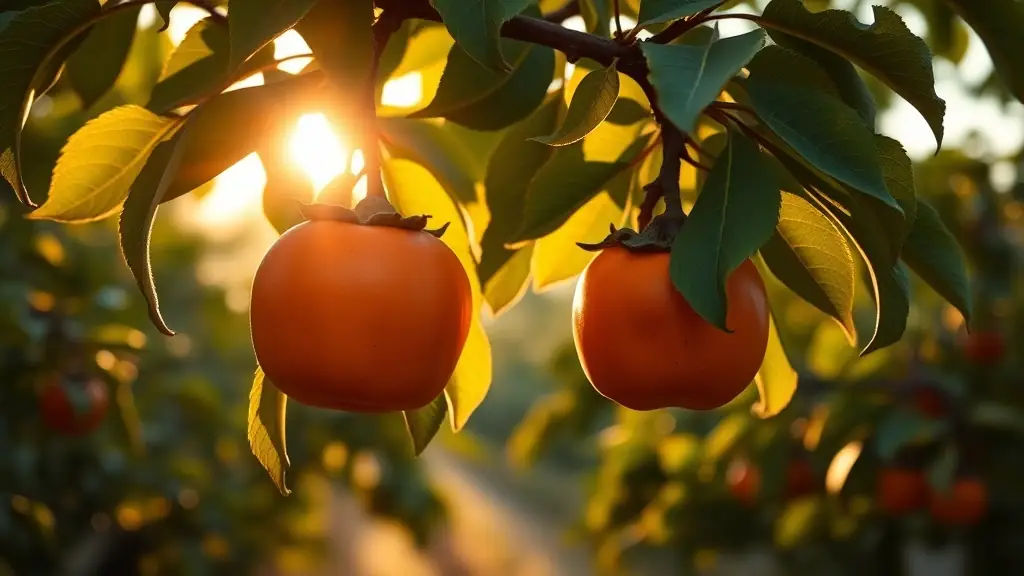
Persimmons are one of fall’s most misunderstood fruits — however, when they’re allowed to ripen fully on the tree, they become something entirely different. At our orchard, persimmons are picked at the right moment, not rushed to market, so visitors can experience their true sweetness, texture, and depth of flavor.
Because timing matters, our persimmons are offered through U-pick during a short seasonal window. As a result, every harvest feels special — and every bite tells the story of fruit grown slowly and intentionally.

Why Persimmons Are Different
Persimmons don’t behave like most fruits, and that difference is exactly why they’re so often misunderstood. While many fruits are harvested firm and finished off the tree, persimmons tell their story at a much slower pace. If they’re picked too early, they can be unpleasant. However, when they’re allowed to ripen fully on the tree, they transform completely.
At our orchard, persimmons are grown with that transformation in mind. Rather than harvesting them to meet a shipping schedule, we focus on timing, texture, and natural ripeness. As a result, the fruit develops the sweetness and depth that persimmons are meant to have — not the chalky, mouth-drying experience many people associate with them.
Because persimmons change dramatically as they mature, they reward patience more than almost any other fruit. Early in the season, the fruit is firm and restrained. Over time, it softens, the astringency fades, and the flavor becomes round, rich, and honeyed. This progression is why persimmons are best experienced where they’re grown, not weeks later after transport and storage.
That’s also why U-pick works so well for persimmons. Being able to harvest fruit at the right moment allows visitors to experience persimmons as they were intended — finished on the tree, handled gently, and enjoyed at peak ripeness.
In contrast, persimmons picked early for market often never reach that same balance of flavor and texture. In short, persimmons aren’t difficult — they’re honest. They reflect how they’re grown, when they’re harvested, and how much care goes into timing.
The U-Pick Persimmon Experience
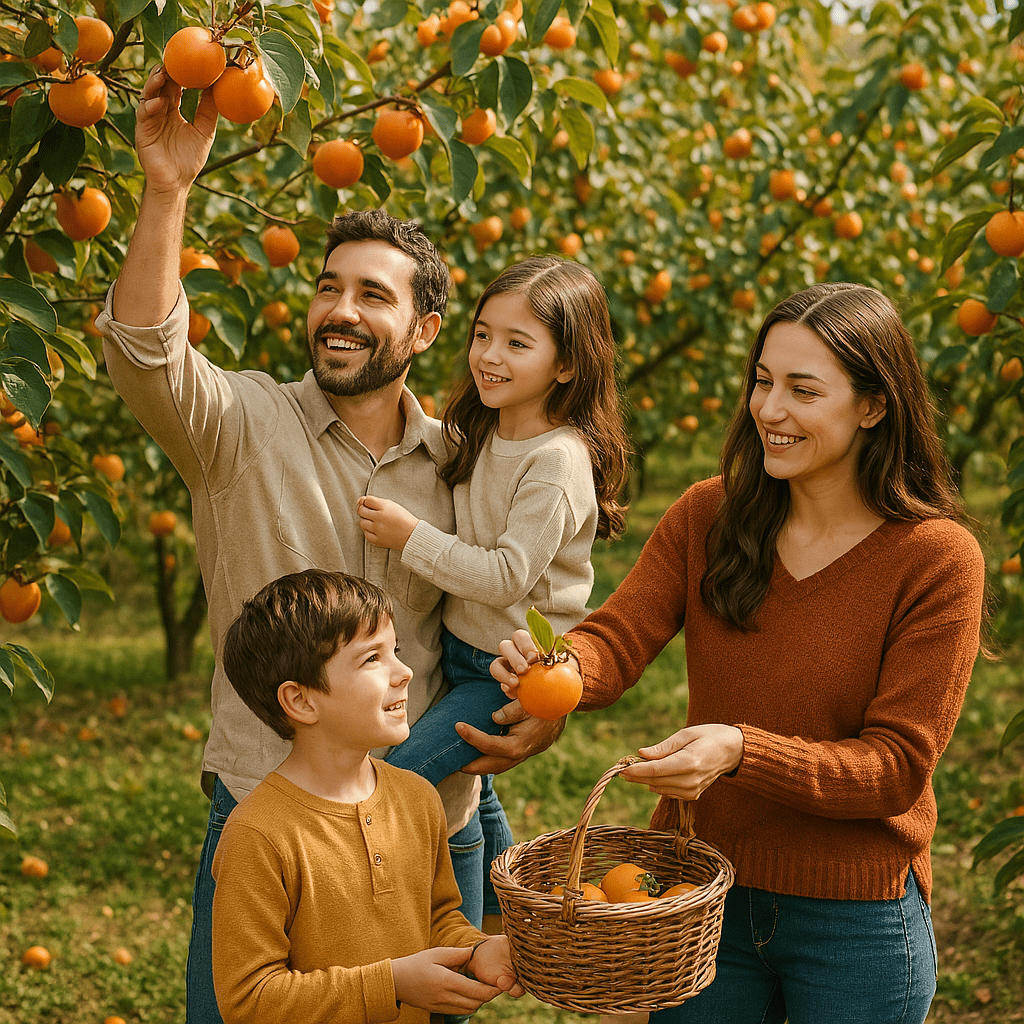
Picking persimmons is a little different from picking apples or berries, and that’s part of what makes the experience so rewarding. Our persimmon orchard is designed to be welcoming and easy to navigate, allowing visitors to move comfortably through the trees while focusing on the fruit itself.
During your visit, you’ll notice that ripeness matters more than appearance alone. Some persimmons are best picked directly from the tree, while others are ready when they release easily or soften naturally. We encourage visitors to slow down, feel the fruit gently, and choose persimmons that are truly ready — an approach that helps ensure the best flavor and texture.
Because persimmons ripen gradually, the experience often feels more relaxed than a quick harvest. Families can take their time, explore the orchard rows, and enjoy the process rather than rushing to fill a container. This makes persimmon season especially enjoyable for first-time U-pick visitors and those looking for a calm, seasonal outing.
Our U-pick model allows persimmons to be harvested at their peak, rather than before they’re ready for the sake of storage or transport. That difference is noticeable the moment the fruit is tasted. When picked at the right moment, persimmons are soft, sweet, and deeply satisfying — exactly as they’re meant to be.
If you’re new to persimmons, we’re always happy to help you understand what to look for and when to pick. Visiting during the harvest window gives you the chance to experience persimmons where they shine most — in the orchard, at the right time, and handled with care.

Flavor & Texture of American Persimmons
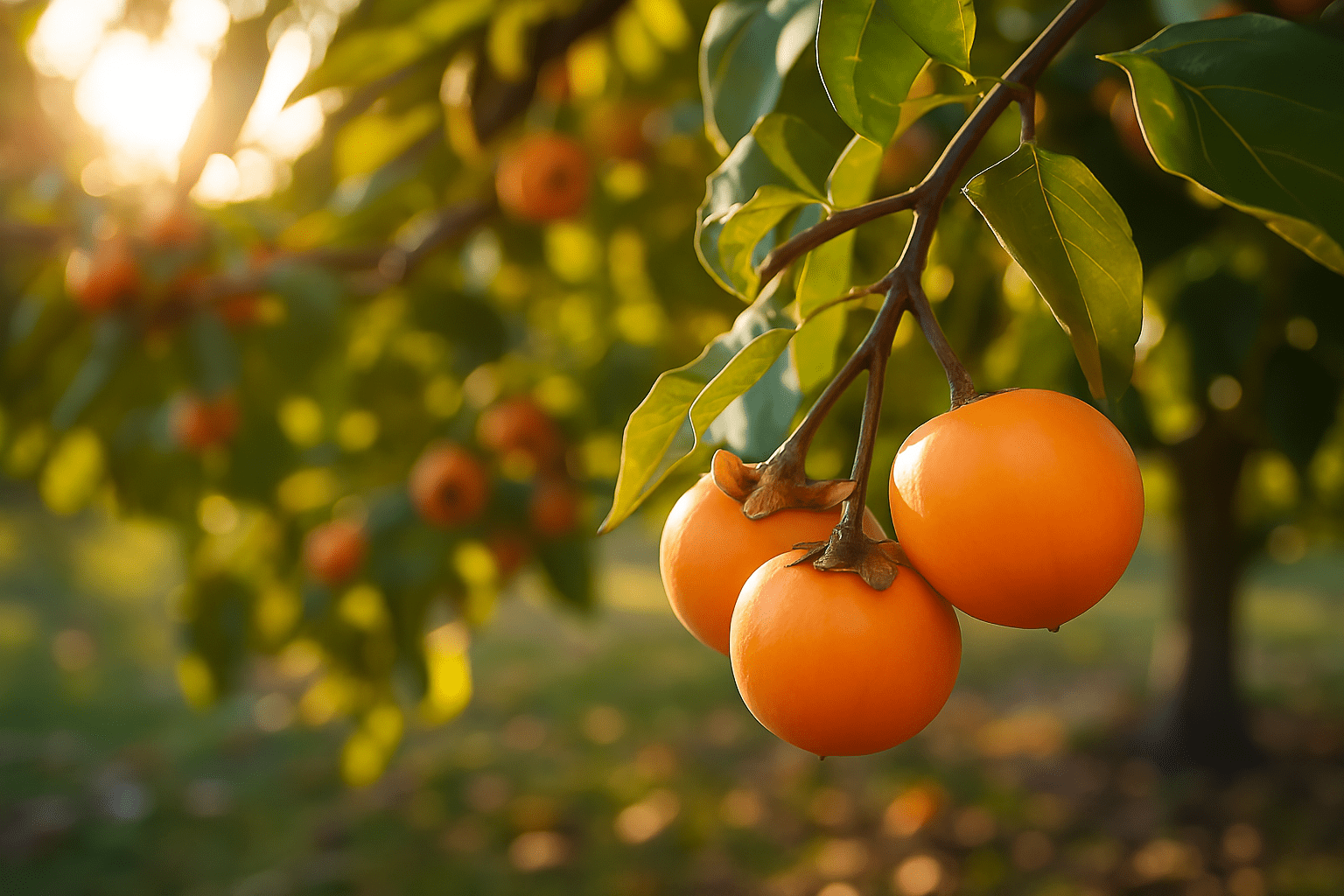
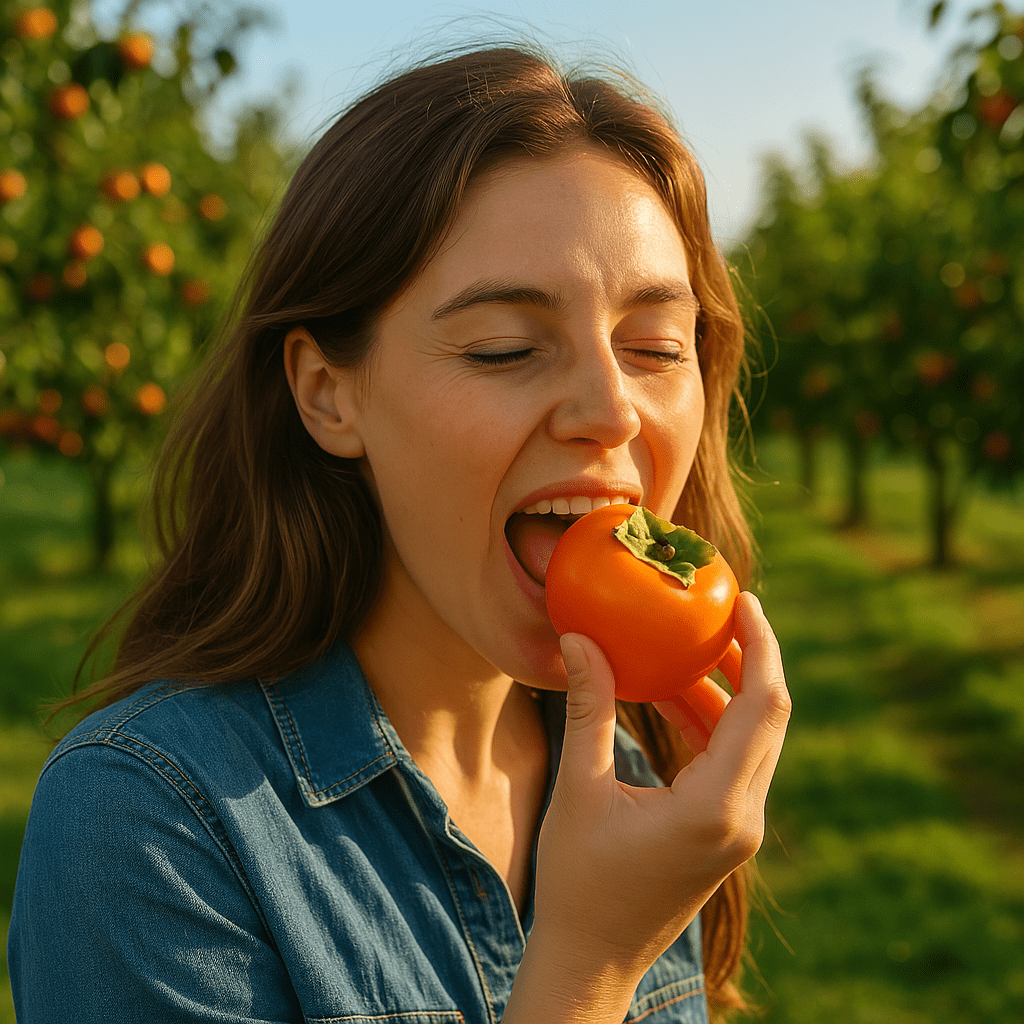
Persimmons offer a flavor experience that changes with ripeness, making them surprisingly versatile in the kitchen. When fully ripe, the fruit is soft and custard-like, with a natural sweetness that often reminds people of honey, vanilla, or warm fall spices. This depth is what makes tree-ripened persimmons so different from the firm fruit most people encounter elsewhere.
Fresh persimmons are often enjoyed simply on their own, scooped from the skin or gently sliced once softened. At peak ripeness, they shine as a naturally sweet ingredient that doesn’t need much embellishment. Their smooth texture also makes them ideal for blending into spreads, baked goods, or desserts where moisture and sweetness matter.
Beyond sweet uses, persimmons can play well in savory dishes too. When balanced with herbs, acidity, or gentle spice, their richness adds depth to sauces, glazes, and grain-based dishes. This flexibility is part of what makes persimmons especially appealing for home cooks and small-batch food makers alike.
Because persimmons are highly seasonal, many visitors enjoy experimenting with them during the harvest window, then exploring ways to extend their use later. From baking to freezing pulp for future recipes, persimmons lend themselves well to thoughtful preservation and creative cooking.
If you’re looking for inspiration, our Recipes Hub highlights ideas that showcase persimmons at their best, from simple preparations to more adventurous pairings. As the season progresses, we’ll continue sharing ways to use persimmons that reflect how they’re grown and enjoyed here on the farm.
- Honey-sweet: A natural, sugary taste.
- Custard-like: Smooth and creamy texture.
- Variety: Each type offers unique flavors.
Our American Persimmon Varieties
At the farm, we focus on American persimmons, a native fruit known for its deep sweetness, custard-like texture, and exceptional cold hardiness. Rather than planting dozens of varieties, we’ve selected a small group that perform well in our climate and offer a consistent, rewarding U-pick experience.
Because American persimmons ripen based on softness rather than color alone, different varieties — and even fruit on the same tree — may be ready at different times. During U-pick, we help visitors identify fruit at peak ripeness so you can enjoy persimmons exactly as they’re meant to be eaten.
Early Golden
Earlier ripening window
Smooth, sweet flavor when fully soft
Opens the persimmon season (early fall)
Yates
Reliable producer with rich, classic persimmon flavor
Deep orange flesh with a custard-like texture
Excellent for fresh eating and baking (mid-season)
Prok
Known for larger fruit and bold sweetness
Ripens later in the season
Often overlaps with chestnut harvest (late fall)
Storage, Ripeness & Handling Persimmons
Persimmons are at their best when they’re handled gently and enjoyed at the right stage of ripeness. Unlike many fruits that can be eaten crisp and firm, most American persimmons are meant to be enjoyed when they soften fully. That’s when the flavor becomes sweet, rich, and smooth — and when the astringency fades away.
During U-pick season, we’ll help visitors recognize what “ready” looks and feels like. Some fruit will be best picked when it releases easily, while others may finish softening at home. Either way, the goal is the same: a soft, custard-like persimmon that’s worth the wait.
If you’re taking persimmons home, plan to transport them carefully and avoid stacking them too deep. Once they soften, they bruise easily, so a shallow container and a gentle ride home makes a big difference. After that, persimmons can be stored at room temperature until they reach peak softness.
If you end up with more than you can use right away, persimmons are easy to save for later. Many people scoop the pulp once fully ripe and freeze it for baking, smoothies, sauces, or desserts down the road. As our Preservation / Freezing resources expand, we’ll share more simple ways to keep persimmons usable well beyond the season.
For visitors who love planning ahead, checking the Harvest Calendar is the best way to catch the ripeness window at its sweetest. And if you’re visiting for multiple crops, our Visit the Farm page helps you plan a smooth day in the orchard.
- Handle ripe persimmons gently — they bruise easily
- Let fruit soften at room temp for best flavor.
- Scoop and freeze pulp for baking and smoothies
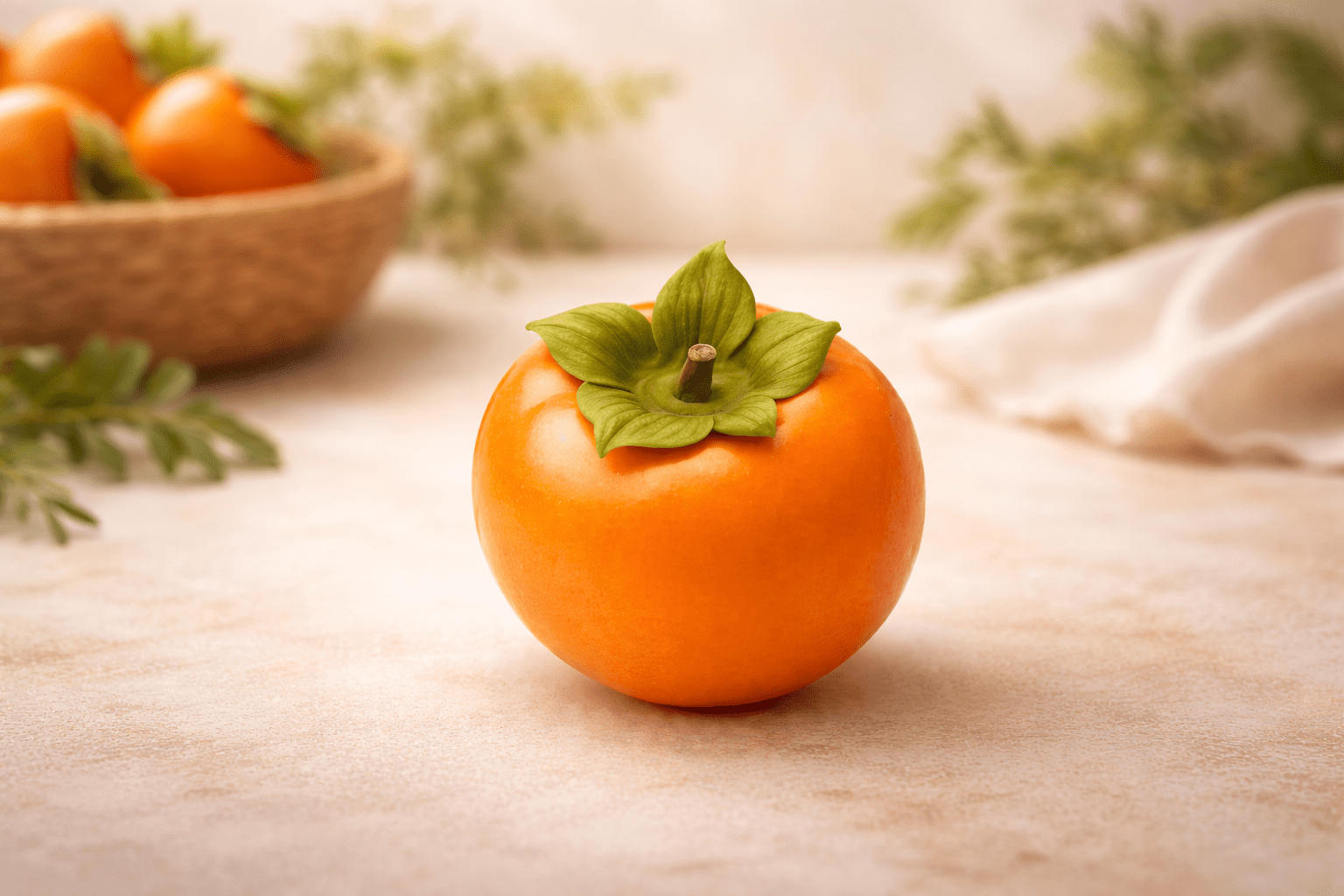
Health Benefits of American Persimmons
American persimmons are not only delicious but also packed with nutrients that contribute to overall well-being. They are an excellent source of fiber, Vitamin C, antioxidants, and manganese. As a result, they provide natural energy and support healthy digestion. Consider visiting a local Persimmon U-Pick to experience the freshness firsthand.
High in Fiber
Persimmons are rich in dietary fiber, promoting healthy digestion and helping you feel full and satisfied.
Vitamin C Boost
A great source of Vitamin C, persimmons support your immune system and help protect against illness.
Antioxidant Power
Persimmons contain antioxidants that combat free radicals, reducing the risk of chronic diseases.
Manganese Source
Providing manganese, persimmons support bone health, metabolism, and antioxidant defenses.
Plan Your Persimmon Visit
Persimmon U-pick is slower, more tactile, and deeply rewarding. Unlike berries, persimmons are harvested one by one, with ripeness judged by feel rather than color alone. Visitors move through the orchard at a relaxed pace, gently selecting fruit that has softened fully on the tree or released naturally.
Best time to visit: Mid-October through early November, depending on weather and ripening conditions. For real-time updates, check our Harvest Calendar.
If you’re planning a full fruit day, persimmons often overlap with other late-season crops such as Pawpaws, Hazelnuts, and Chestnuts, making it possible to enjoy several fall harvests during a single visit, depending on seasonal timing.
Quick Visit Details
- Season: Mid-October to early November (weather dependent)
- Ripeness cues: Fully soft to the touch; fruit may release easily from the tree or be gathered after natural drop
- Harvest style: Gentle hand-picking or collecting ripe fruit from the ground
- Bring: Small buckets or containers; avoid over-stacking
- Best for: Fresh eating, baking, puddings, breads, and freezing pulp
- Tip: Plan to enjoy or process fruit within a few days for best texture and flavor
Persimmon U-Pick FAQs
Here are some common questions about our Persimmon U-Pick experience. We hope this helps you enjoy your visit!
Persimmons are usually best mid-October through early November, depending on weather. For American persimmons, ripeness is judged by softness — they should feel very soft and custard-like. If they’re firm, they’re not ready yet.
For American persimmons, no — firm fruit is not ready to eat and will taste unpleasantly astringent. These persimmons are meant to be enjoyed only once fully softened. When ripe, the flavor becomes sweet, rich, and pudding-like.
We grow American persimmons, a native North American fruit known for its deep sweetness and custard-like texture when fully ripe. Unlike many store-bought persimmons, American persimmons must soften completely before eating, which is when their flavor truly shines.
A ripe American persimmon will feel very soft, similar to a ripe avocado or pudding. Some fruit may release easily from the tree, while others are gathered after natural drop. Aroma becomes sweeter as ripeness increases.
Once ripe, persimmons are best enjoyed within a few days. They can be kept at room temperature briefly or refrigerated to slow further softening. Many visitors scoop and freeze the pulp for baking, desserts, or future use.
Yes. Fully ripe persimmons freeze very well. Many visitors scoop the pulp and freeze it for later use in baking, breads, puddings, and desserts.
Learn More
Discover Our Wide Variety of Nuts and Berries
At Nuts about Dee’s Berries, we pride ourselves on offering a diverse selection of delicious and nutritious crops. In addition to our featured crop, we also grow a variety of other fruits and nuts that are perfect for U-pick adventures. Explore our other offerings and discover your new favorite treat. We are sure that you will find something that you like, and that fits your needs.