
The Unique Flavor of — Grown in Wisconsin
A rare, custard-soft native fruit with tropical flavor — grown and harvested right here at our Wisconsin U-Pick farm.
Pawpaw U-Pick at Nuts about Dee’s Berries is your chance to taste the rare, tropical flavor right here in Wisconsin. Once you try a pawpaw, you’ll wonder how you ever lived without it.
Why Pawpaws Are Rare — and Why U-Pick Matters
Pawpaws are rarely found in grocery stores, not because they lack demand, but because they don’t travel well. The fruit ripens quickly, bruises easily, and has a very short window when its flavor and texture are at their best. While pawpaws may occasionally appear in specialty markets closer to their native range in the eastern U.S., they are not available in Wisconsin grocery stores.
That’s why U-Pick is ideal for pawpaws. Harvesting the fruit directly from the tree allows it to be enjoyed at peak ripeness — when the custard-soft texture and tropical flavor are most pronounced. At Nuts about Dee’s Berries, pawpaws are grown specifically for this kind of experience, where timing, freshness, and flavor come together during a short seasonal window. Visitors can track that timing through our Harvest Calendar and plan their trip by exploring what to expect when they visit the farm.
This short harvest window is also what makes pawpaw season so special — it rewards those who plan ahead and visit at just the right time.
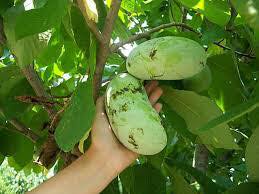
WHAT IS AN AMERICAN PAWPAW?
What is a pawpaw, really?
The American pawpaw is a native North American fruit that grows on small understory trees and produces one of the most unexpected flavors found in a temperate climate. Although it tastes tropical — often compared to banana, mango, or custard — the pawpaw is not a tropical fruit. It is native to the eastern United States and has been growing in forests and river valleys for thousands of years.
Why most people haven’t heard of pawpaws
Most people are surprised to learn that pawpaws grow naturally in the Midwest, including southern Wisconsin. Because they ripen quickly and bruise easily, pawpaws were never suited to large-scale commercial shipping. As a result, they remained largely unknown outside their native range and are rarely found in grocery stores today.
What makes pawpaws unique
Unlike many fruits, pawpaws are best enjoyed fresh, shortly after ripening. When picked at the right moment, the fruit has a soft, custard-like texture and a rich, complex flavor that changes depending on the tree and the season. This natural variation is part of what makes pawpaws so memorable — and why they are especially well-suited to small farms and U-Pick orchards.
Why pawpaws belong at our farm
At Nuts about Dee’s Berries, pawpaws are grown as part of a diverse agroforestry orchard designed to highlight this uniqueness. Understanding what a pawpaw is makes it easier to appreciate how they’re grown, when they’re harvested, and why timing and variety play such an important role in the U-Pick experience.
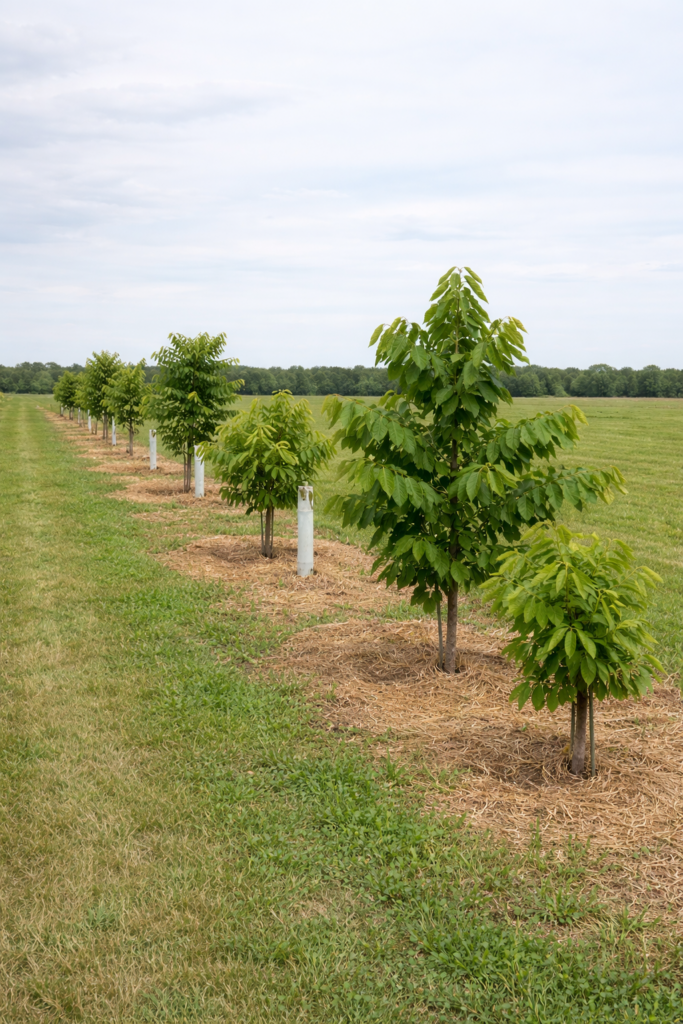
Our Pawpaw Orchard at Nuts About Dee’s Berries
At Nuts About Dee’s Berries in southern Wisconsin, our pawpaw orchard is grown intentionally as part of a long-term agroforestry system — not a single-crop planting. Established in Brodhead, Wisconsin, the orchard reflects the shaded woodland conditions pawpaws evolved in, while allowing for airflow, light balance, and long-term tree health.
Our planting includes a thoughtful mix of named pawpaw cultivars and seed-grown trees, creating both familiarity and natural diversity across the orchard. Well-known varieties such as Shenandoah, along with a small number of other widely recognized selections, provide reference points for visitors already familiar with pawpaws. Alongside those are hundreds of seed-grown trees selected for vigor, cold tolerance, and regional adaptability.
Many of our seedlings trace back to parent material and breeding work associated with the Kansas State University Pawpaw Program, which has played a major role in advancing pawpaw cultivation in colder climates. Seed-grown trees allow for natural genetic variation — meaning flavor, texture, and ripening time can differ subtly from tree to tree, even within the same season.
This diversity is intentional. Rather than narrowing the orchard to a single clone or flavor profile, we’ve designed it to support resilience, staggered harvest windows, and a wide range of eating experiences. Some pawpaws will be mild and creamy, others richer and more tropical, with timing influenced by genetics, weather, and tree maturity.
Because pawpaws require patience, shade when young, and careful spacing as they mature, our orchard was planted with the long view in mind. Tree shelters, soil health practices, and site selection all support strong root systems before trees reach full production. As the orchard continues to establish, visitors will experience pawpaws grown as part of a living system — shaped by season, genetics, and place.
Looking to dive deeper into American PawPaw? Visit our blog for articles on elderberry health benefits, preservation tips, recipe inspiration, and seasonal harvest updates.
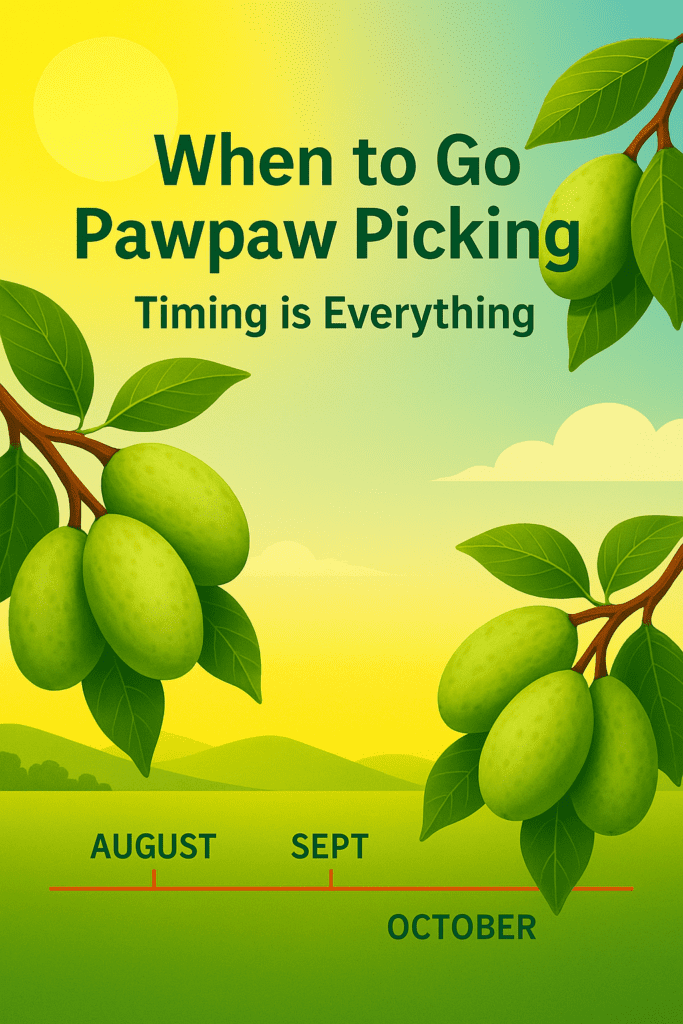
Pawpaw Picking: Timing Is Everything
Pawpaw season is short and shifts slightly each year depending on weather and growing conditions. In southern Wisconsin, the harvest window typically runs from late August into early fall, with fruit ripening quickly once it’s ready. Because pawpaws do not continue to improve after picking, timing your visit makes all the difference.
🌿 August — Early Ripening Pawpaws
Early-season pawpaws typically begin ripening in late August, depending on the year. These fruits are often firmer with a lighter, smoother sweetness, making them a great introduction for first-time tasters. Some early-ripening varieties commonly associated with this window include Shenandoah and NC-1, though timing can vary based on weather and growing conditions.
🌿 September — Peak Pawpaw Season
September is peak pawpaw season in southern Wisconsin. This is when most fruit reaches full ripeness, developing the soft, custard-like texture and rich tropical flavor pawpaws are known for. Many mid-season varieties tend to ripen during this window, offering a wide range of flavor profiles and textures. For visitors hoping to experience pawpaws at their best, this is often the ideal time to plan a visit.
🌿 October — Late Season (Weather Dependent)
In some years, pawpaw picking can extend into early October if conditions allow. Late-season fruit is typically softer and deeper in flavor, though availability becomes more limited as the season winds down. Varieties that ripen later in the season may linger briefly, rewarding those who check timing closely and visit at just the right moment.
Ripening windows vary by year and growing conditions. Availability depends on weather and natural variation between trees.
Don’t Miss a Single Bite
Every pawpaw variety has its own personality—some are silky and mild, others rich and custardy. The best way to discover your favorite? Taste them all as the season unfolds. 🍽️
Follow our:
👉 Events Page
👉 sign up for our newsletter
👉 watch our Facebook page for harvest updates.
The season is short—but the flavor memories last all year.
Flavor, Texture, and Why No Two Pawpaws Taste the Same
One of the most surprising things about pawpaws is how much they can vary from tree to tree. Unlike grocery-store fruit bred for uniformity, pawpaws express a wide range of flavors, textures, and ripening behavior depending on genetics, growing conditions, and harvest timing. This natural variation is part of what makes pawpaw season so engaging — and why repeat visits often lead to completely different tasting experiences.
Flavor Ranges You’ll Encounter
Pawpaw flavor is often described as tropical, but that description only scratches the surface. Across our orchard, flavors tend to fall into a few broad ranges rather than a single taste.
Mild and gently sweet, with soft banana or melon notes
Rich and custard-forward, often described as mango-like or creamy
Deeper, more complex flavors that lean tropical with hints of vanilla or caramel
Some named cultivars are known for more consistent flavor profiles, while seed-grown trees often surprise visitors with unexpected combinations.
Texture Matters as Much as Flavor
Texture plays a huge role in how pawpaws are enjoyed. Depending on the tree and ripeness, fruit may range from:
Silky and spoon-soft
Dense and custard-like
Light and creamy with a softer finish
This is one reason pawpaws don’t ship well and why U-Pick is ideal — texture is at its best when fruit is harvested at just the right moment.
Named Varieties and Seed-Grown Trees
Our orchard includes a mix of recognized pawpaw varieties alongside many seed-grown trees. Well-known selections such as Shenandoah provide familiar reference points for experienced pawpaw fans, while seed-grown trees introduce natural genetic diversity.
This approach allows for:
A wider harvest window
Greater resilience to weather variation
A broader range of flavors and textures within the same season
Rather than narrowing the experience to a single flavor profile, we’ve designed the orchard to showcase how diverse pawpaws can be.
Handling & Storing Pawpaws After Picking
Pawpaws are delicate, fully ripe when picked, and don’t improve after harvest — which means how you handle them matters just as much as when you pick them.
Once harvested, pawpaws should be kept cool and handled gently to prevent bruising. Most visitors plan to enjoy some fresh, then preserve the rest within a short window. Proper handling helps maintain texture, flavor, and overall quality.
If you’re new to pawpaws, or want to make the most of your harvest, we recommend reviewing:
- How to handle pawpaws after picking
- Freezing and preserving pawpaws for later use
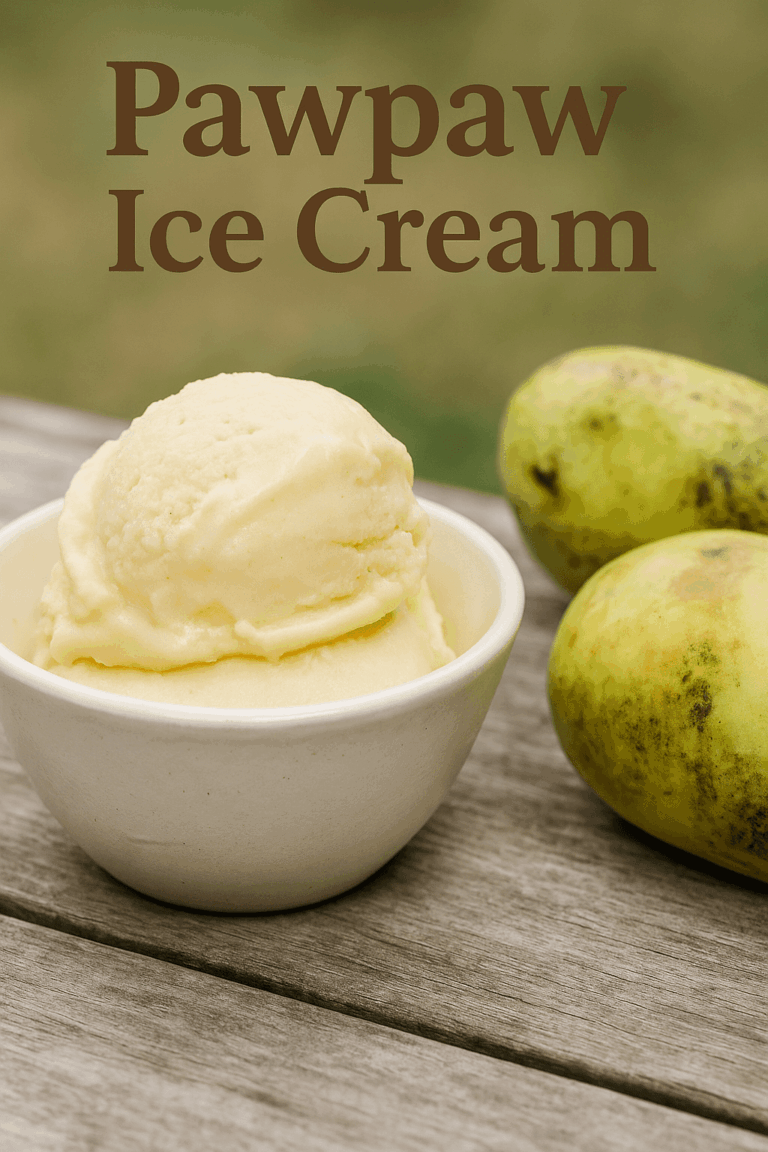
- Recipe ideas and inspiration
Pawpaws reward a little planning — and open the door to smoothies, baked goods, desserts, and more long after the season ends.
Despite being North America’s largest native fruit, pawpaws remain largely absent from grocery stores due to their delicate nature and short harvest window.
Pawpaw season is short and varies from year to year. Planning ahead helps ensure you visit during peak ripeness, when flavor and texture are at their best.
Plan Your Pawpaw Visit
Pawpaw season is brief and highly dependent on weather, orchard maturity, and individual tree genetics. Visiting at the right moment makes the difference between an average experience and tasting pawpaws at their absolute best.
When to Visit
In southern Wisconsin, pawpaws typically ripen from late August through September, with peak picking often falling within a narrow window. Some trees ripen earlier, others later, and timing can shift year to year based on seasonal conditions. Checking harvest updates before visiting helps ensure you arrive when fruit is actively ripening rather than past peak.
What to Expect When Picking
Pawpaw U-Pick is a hands-on, observational experience. Fruit is ready when it softens slightly and releases easily from the tree, and not all fruit on a single tree ripens at the same time. Gentle handling is essential, as ripe pawpaws bruise easily and continue to soften after harvest.
Plan Ahead for Your Visit
Because pawpaws are delicate and highly perishable, a little preparation goes a long way. Knowing what containers to bring, how long fruit will keep, and how to transport it home helps preserve quality and flavor.
Pawpaw U-Pick FAQs
The pawpaw picking season typically runs from late August to September, depending on the weather.
A ripe pawpaw tastes like a delightful blend of banana and mango custard, making it unique.
To keep fresh pawpaw fruit, refrigerate it and consume within 3 days or freeze for later use.
Yes! We offer a pawpaw-themed cookbook featuring smoothies, breads, desserts, and more. It’s available online and in our farm store during the PawPaw U-Pick season.
Absolutely! The American pawpaw is the only larval host plant for the beautiful zebra swallowtail butterfly. Planting pawpaw supports local pollinators and biodiversity.
We provide harvest containers, but feel free to bring your own reusable bags or baskets. Just make sure they’re clean and pawpaw-friendly!
Our Brodhead location includes walking paths with relatively flat ground. Let us know in advance if you need accommodations — we’re happy to help!
Follow our Facebook page, check our Events Page, or join our email list to get the latest info on ripening, special events, and tastings.
Learn More
Discover Our Wide Variety of Nuts and Berries
At At Nuts about Dee’s Berries, we grow elderberries as part of our diverse agroforestry farm in Southern Wisconsin. Known for their immune-supporting benefits and bold flavor, elderberries are used in syrups, jellies, and wines. This image showcases freshly picked elderberries with homemade syrup — a taste of the food forest that blends health, sustainability, and culinary tradition., we pride ourselves on offering a diverse selection of delicious and nutritious crops. In addition to our featured crop, we also grow a variety of other fruits and nuts that are perfect for U-pick adventures. Explore our other offerings and discover your new favorite treat. We are sure that you will find something that you like, and that fits your needs.