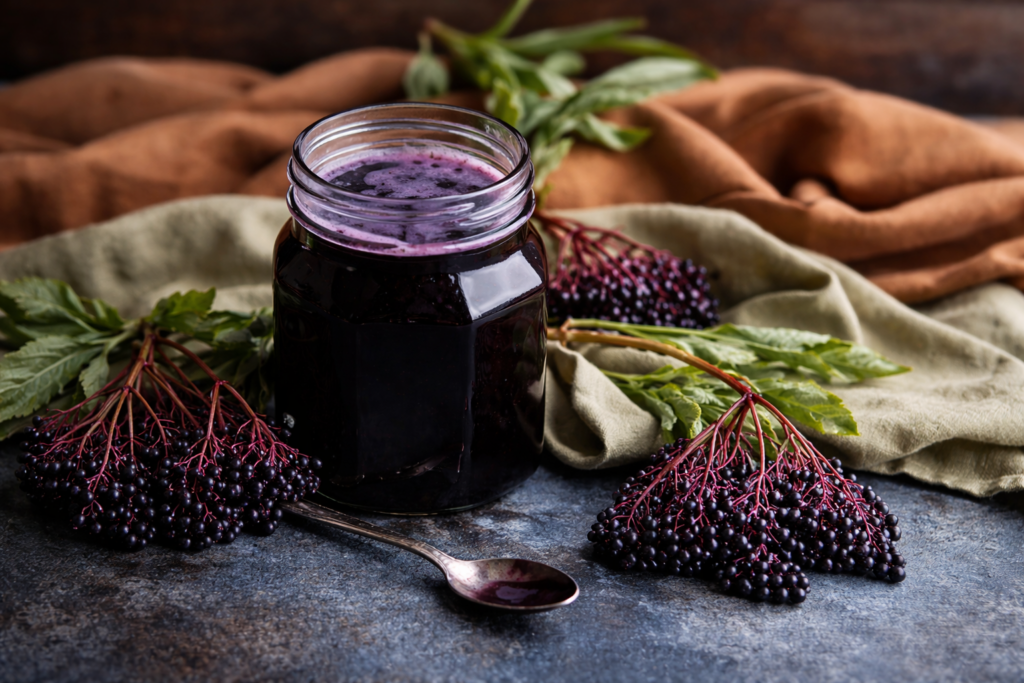
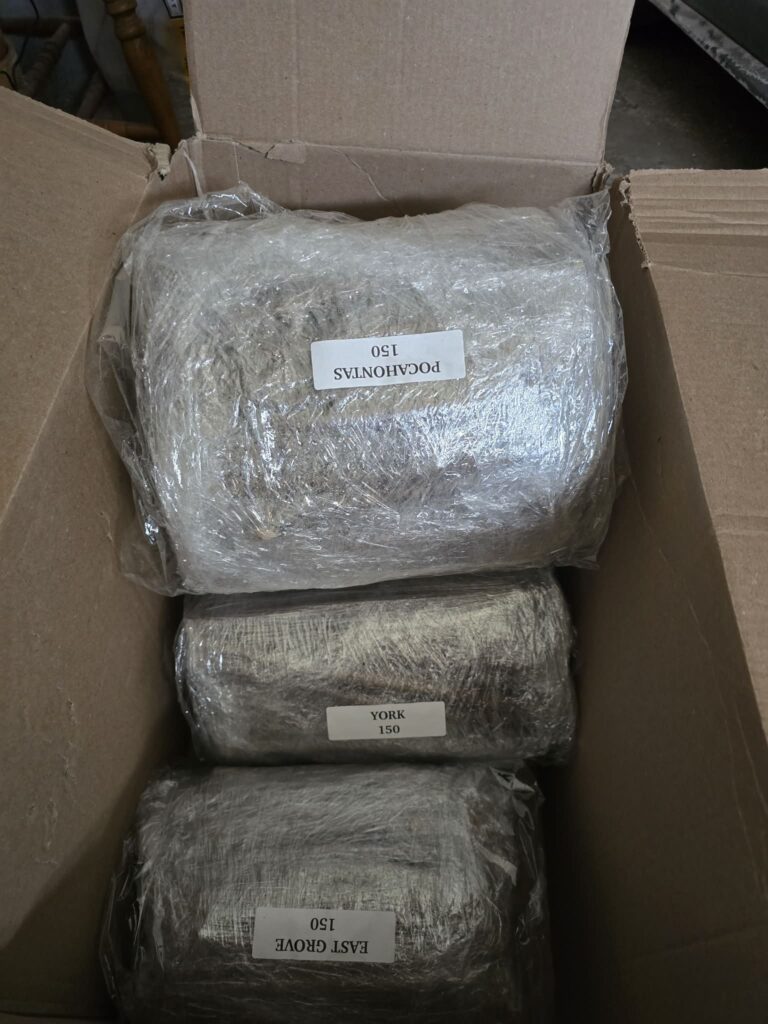
From cutting to jar—these elderberries will one day become the syrups, wines, and preserves you’ll enjoy at the farm.
📰 Elderberry Cuttings Have Arrived: Meet Our New Varieties
What today’s cuttings mean for your future harvests
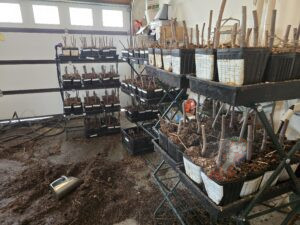
Our elderberry cuttings have arrived, and with them, the foundation of one of our most anticipated late-summer crops. While these plants are only just beginning, they will eventually shape the syrups, wines, and preserves you’ll enjoy from the farm for many years to come.
However, not all elderberries grow—or taste—the same. Some ripen unevenly. Others lack flavor or produce tiny fruit. Because of this, we carefully selected these elderberry varieties to give you a longer season, richer flavor, and fuller clusters when you visit.
Why Variety Matters with Elderberries
Although elderberries are often treated as one crop, each variety behaves differently in the field. In fact, ripening time, berry size, juice content, and flavor can vary by weeks.
For that reason, planting multiple varieties allows us to stagger the harvest, which means fruit is available over a longer window instead of all at once. As a result, you’ll have more opportunities to visit, and we’ll have better berries for syrup, wine, and preserving.
This layered approach is also part of our broader farm design, where diversity supports resilience and quality across the orchard.
Our Elderberry Varieties (In Harvest Order)
Typical Midwest harvest window: late August through mid-September
East Grove — Early Season
Harvest: Late August To begin the season, East Grove is our earliest ripening elderberry. Because it matures first, it helps spread out harvest days and reduces bottlenecks. Additionally, its consistent fruit set makes it an important anchor for the start of the season.
Bob Gordon — Early to Mid Season
Harvest: Late August to early SeptemberNext comes Bob Gordon, one of the most respected elderberries for processing. Not only does it produce large berries, but it also delivers heavy clusters with excellent juice yield. As a result, it is especially well suited for syrup, wine, and deeply colored preserves. Blaze & Graze Journal (Blog)
Marge — Mid Season
Harvest: Early September Following Bob Gordon, Marge steps in as a dependable mid-season producer. Its heavy, uniform clusters make harvesting easier, while its steady performance helps balance the overall crop year after year.
York — Mid to Late Season
Harvest:Early to mid-September As the season continues, York brings bold flavor and deep color. Because of its larger berries and rich taste, it is a favorite for cooking, preserves, and blending into value-added products.
Pocahontas — Late Season
Harvest: Mid-September Finally, Pocahontas closes out the season. With vigorous growth and high productivity, it offers a rich, well-balanced flavor that performs beautifully across both sweet and savory uses.
Coming Soon: Wyldewood — Late Season Extension
Harvest: Mid to late September To extend the season even further, we are actively working to source Wyldewood. This Midwest favorite is known for exceptional yields and long harvest windows, making it an ideal future addition.
The Missouri Extension has more information on these Elderberry Varieties.
What This Means for You
Because these varieties ripen in stages, you’ll enjoy a longer elderberry season, more consistent harvests, and better flavor across every product. Instead of a single short window, there will be weeks of opportunity to visit, pick, and experience elderberries at their peak.
Over time, this means fuller baskets, fewer berries needed to fill them, and more ways to enjoy what you take home.
Follow us on Facebook & Instagram for real-time orchard progress!
Facebook
Twitter
LinkedIn
About Us
We grow organic fruits and nuts while fighting climate change by capturing carbon. Join us for family UPick experiences and special events. We’re committed to community and eco-friendly initiatives like supporting ocean pastures. Let’s make a greener, healthier world together!